Sydney in the 1870s
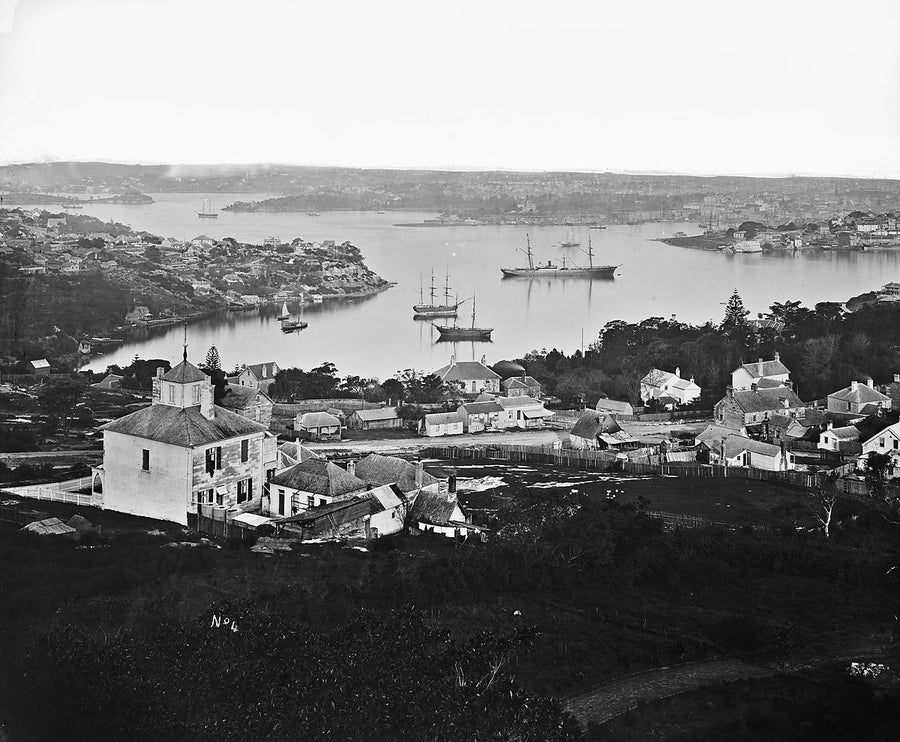
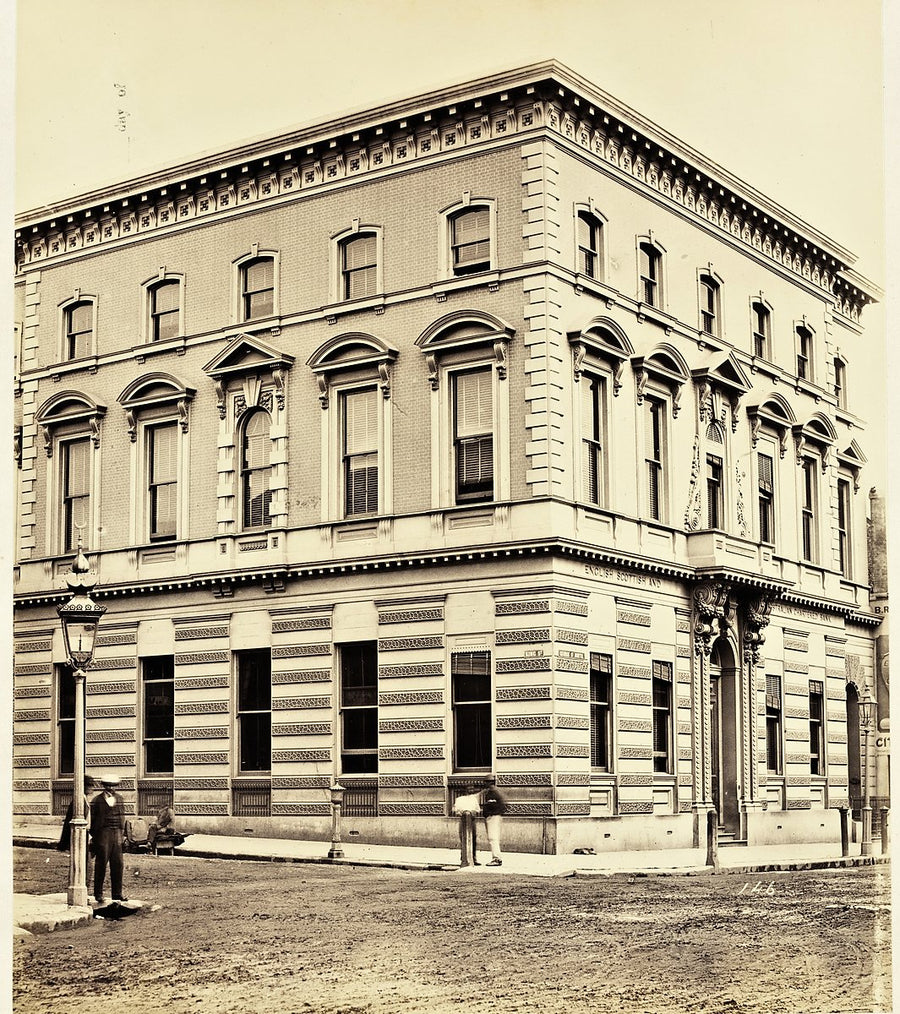
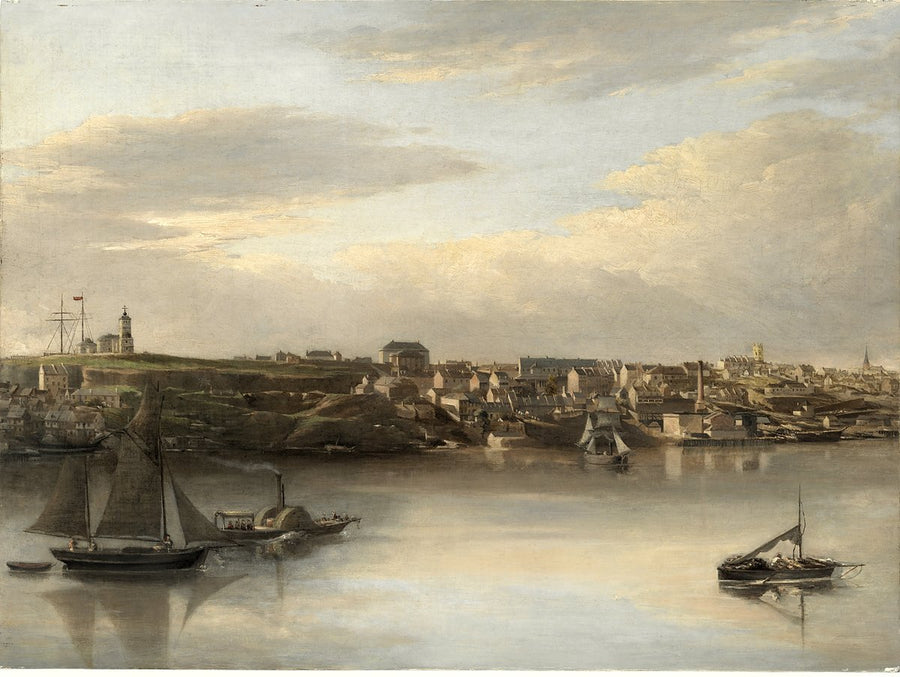
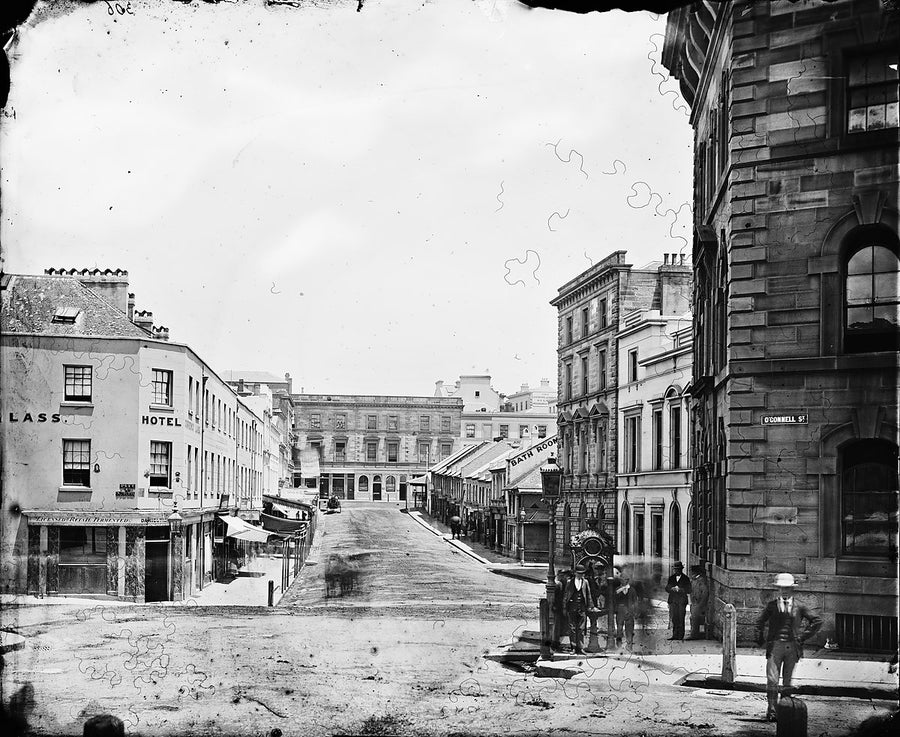
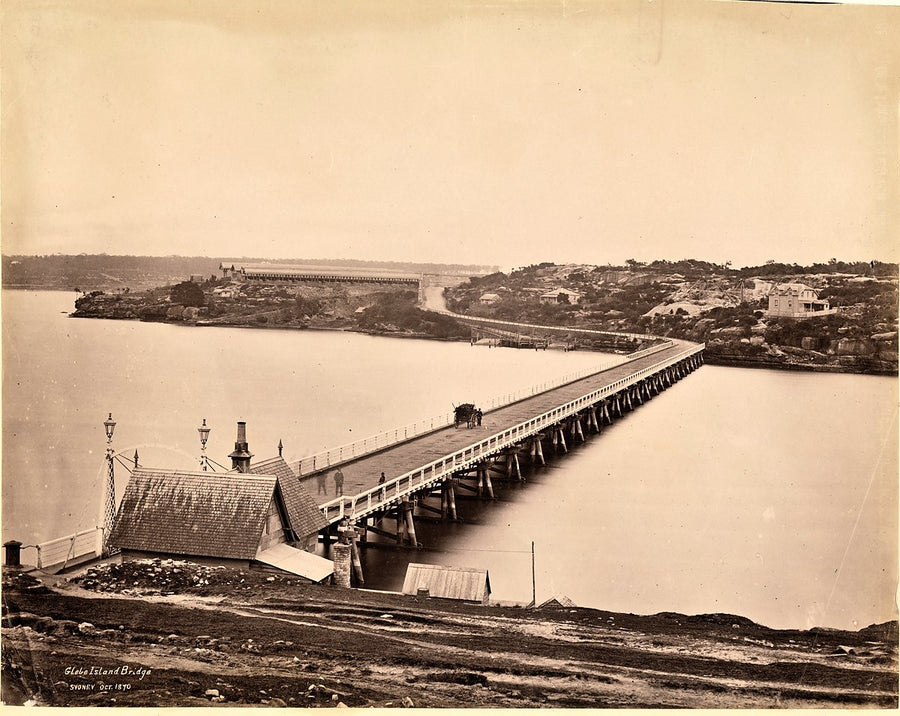
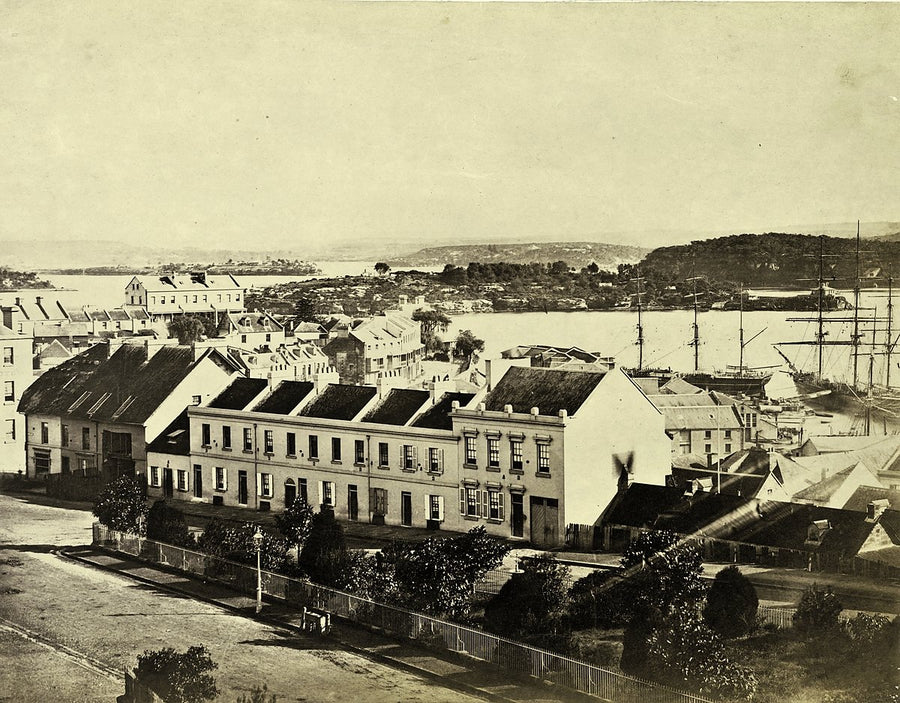
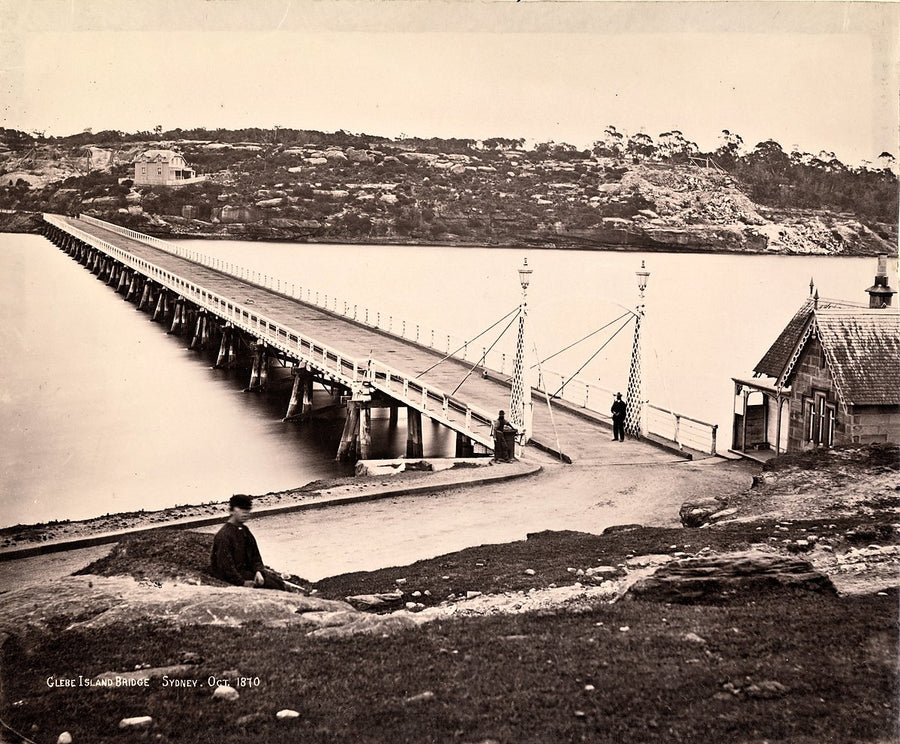
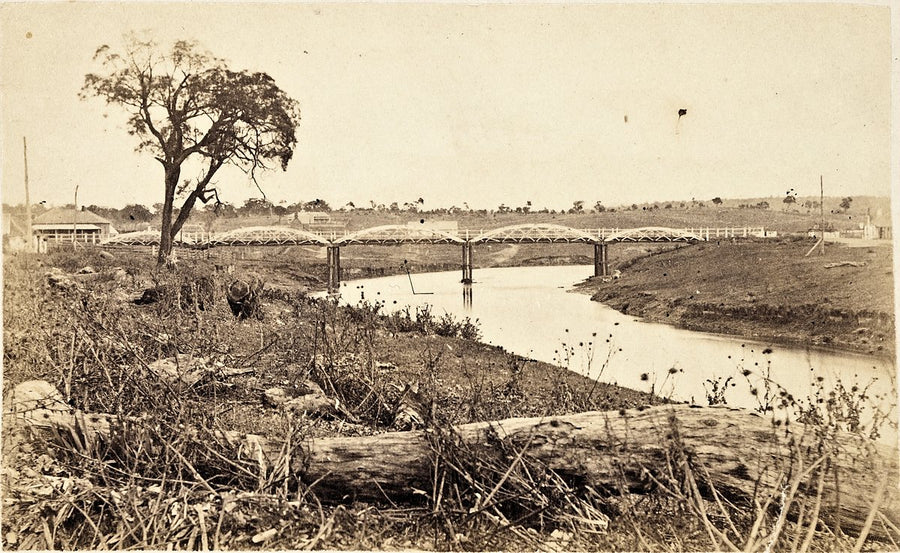
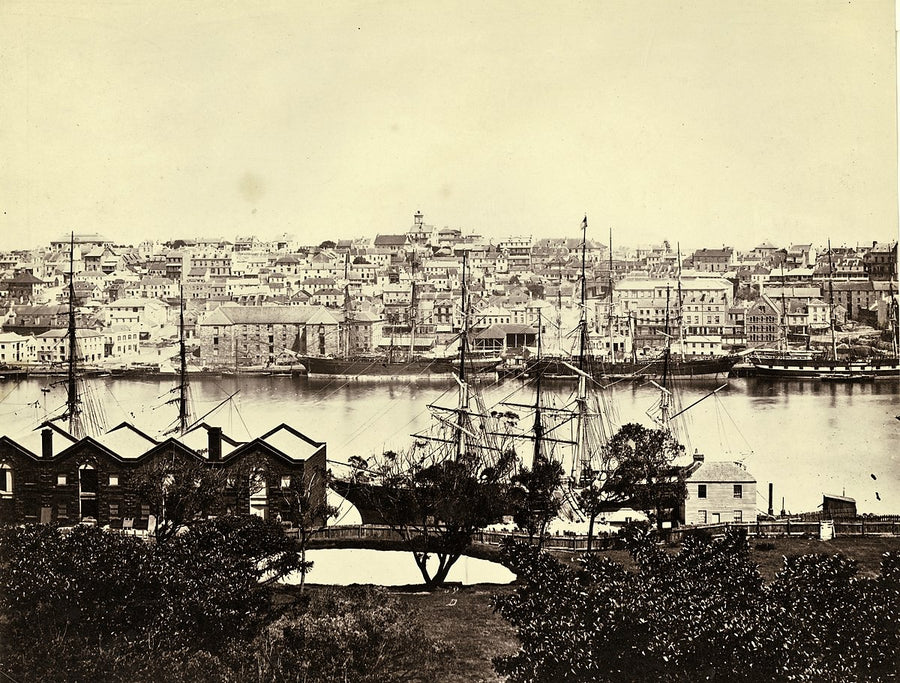
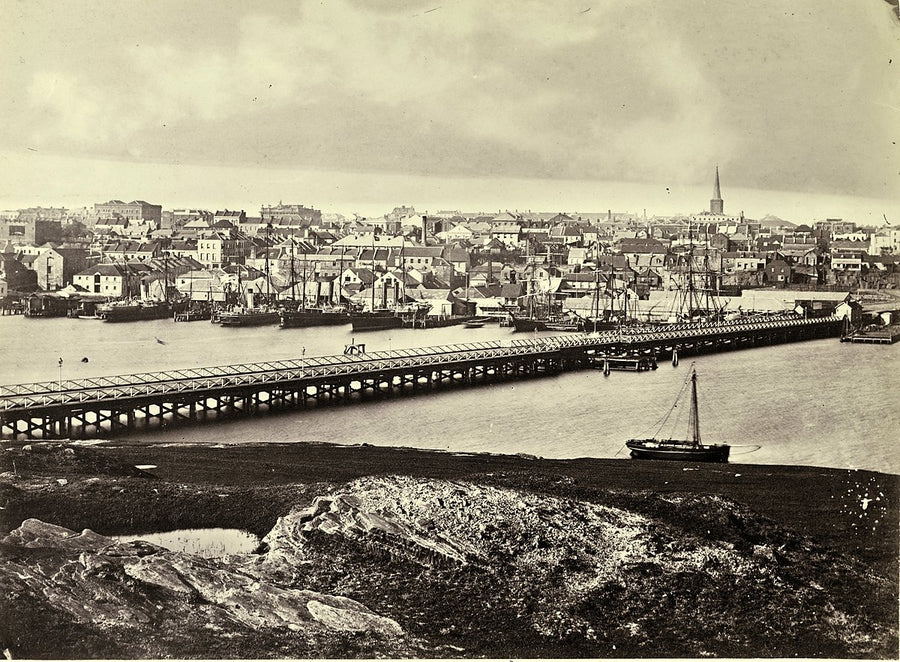
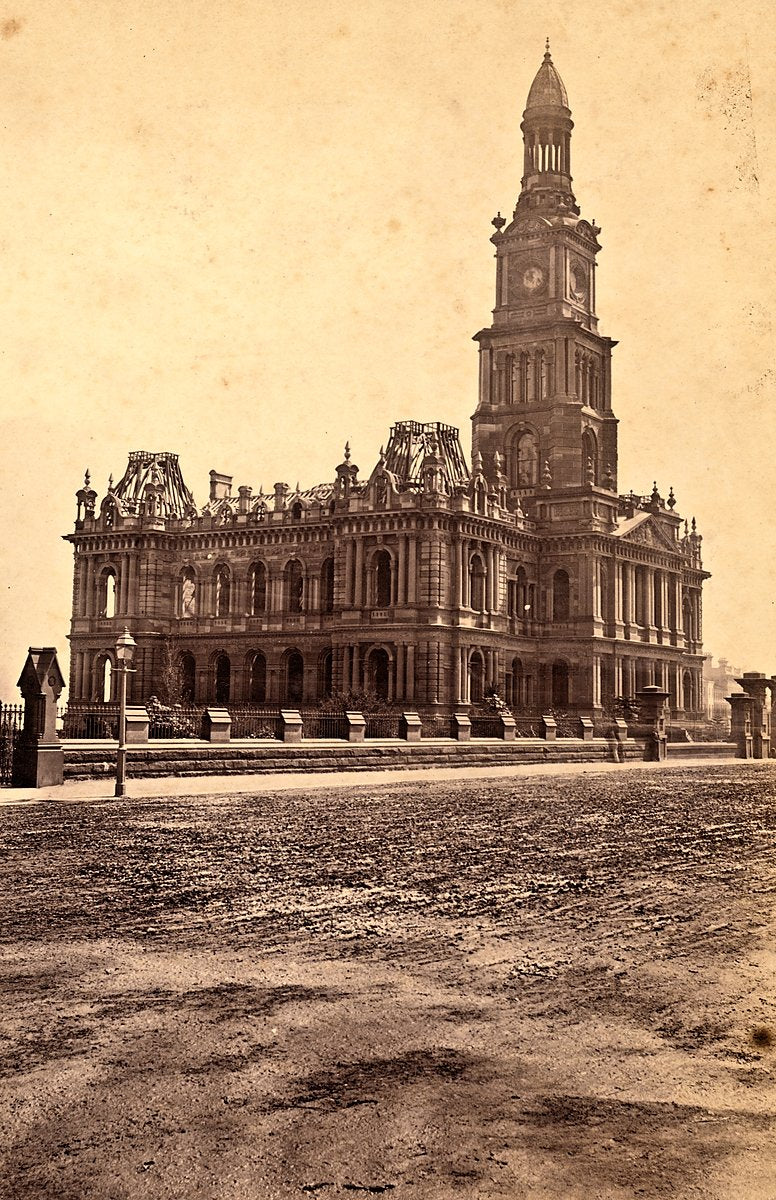
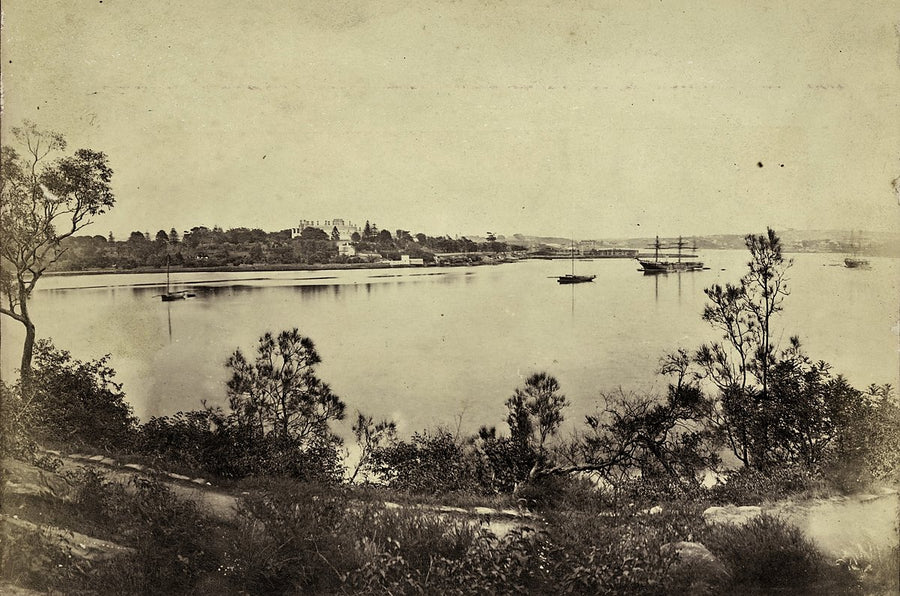
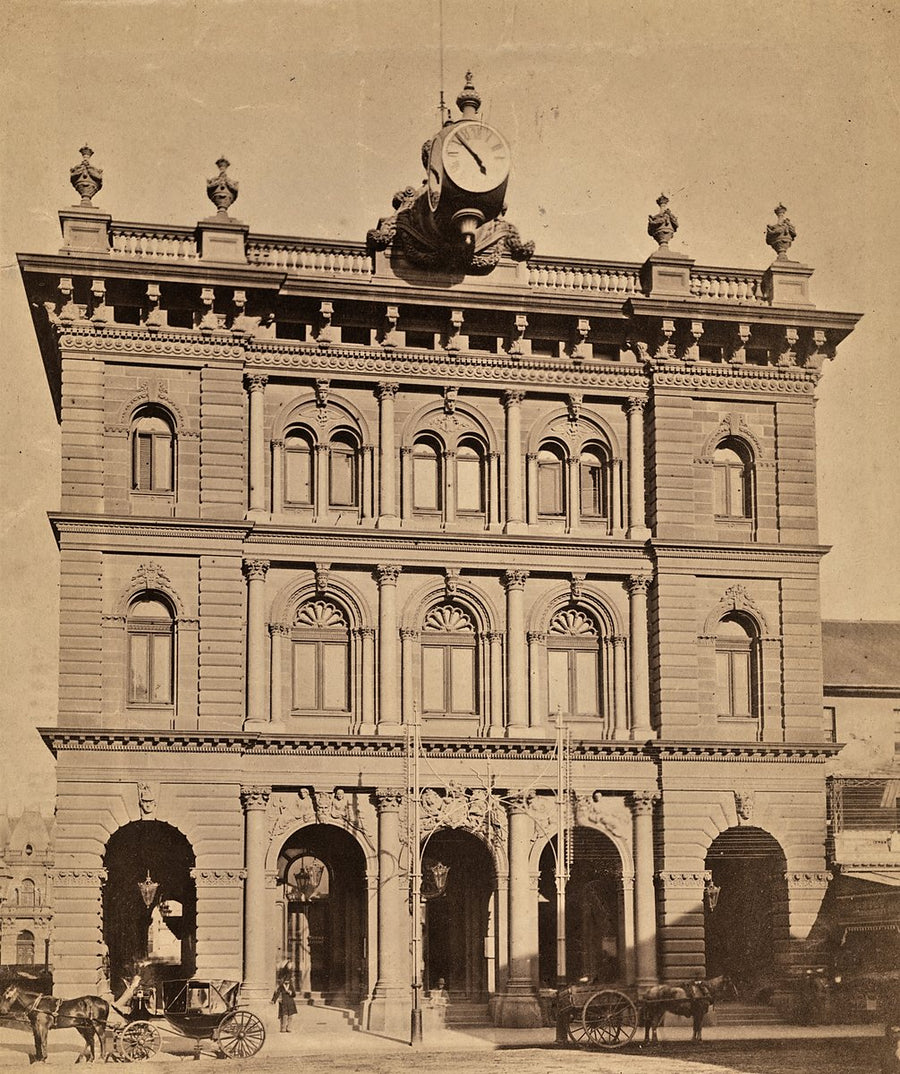
In the 1870s a photographer could stand at Pyrmont, put grazing cattle in the foreground, and still get the Town Hall's clock tower and St Andrew's spire on the skyline behind them. It dates to within three years by what is finished in it and what is not, and it describes the decade about as well as anything: a stone city a mile or so across, and then paddocks.
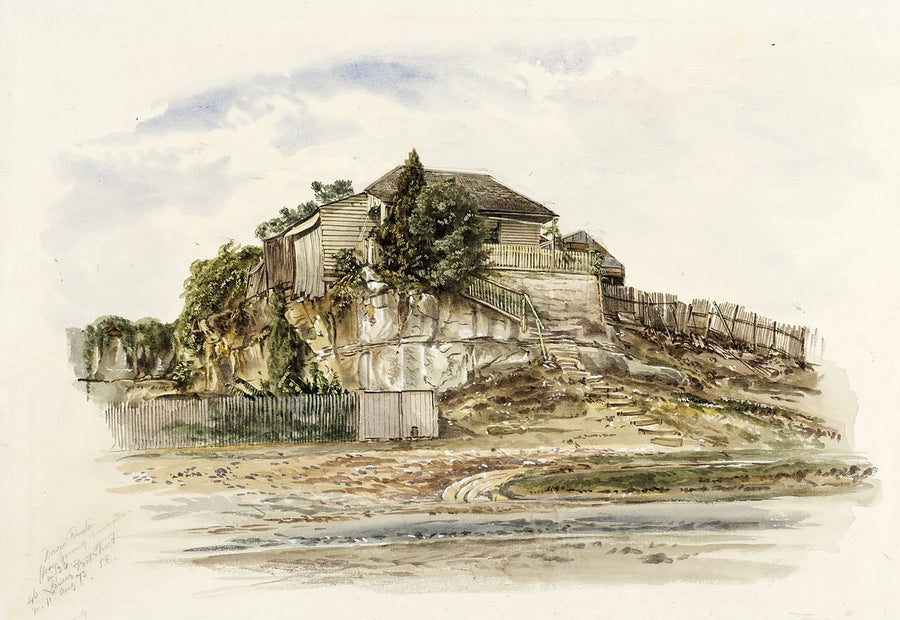
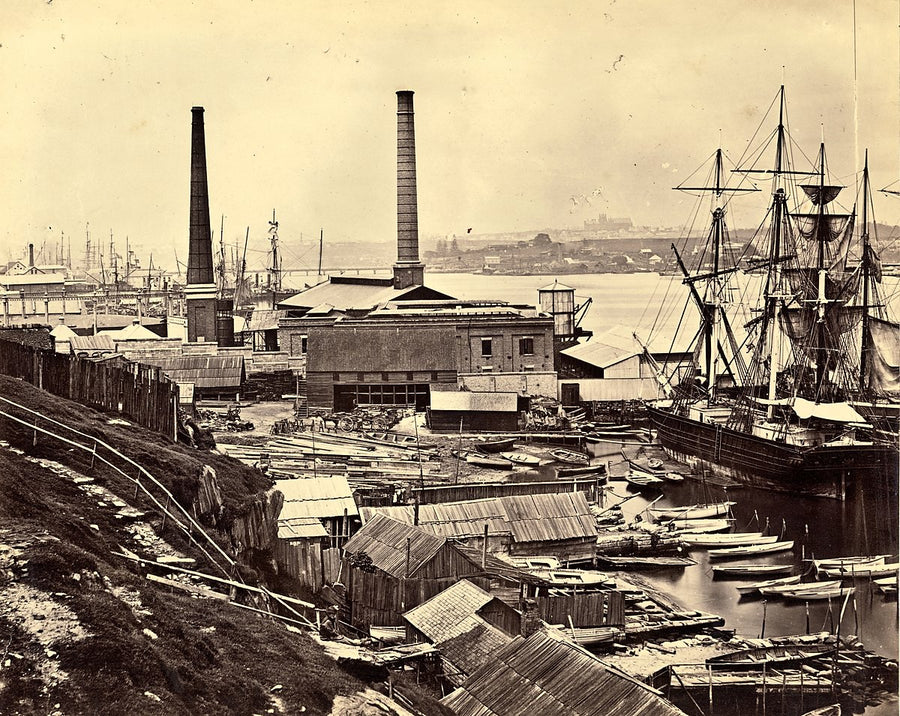
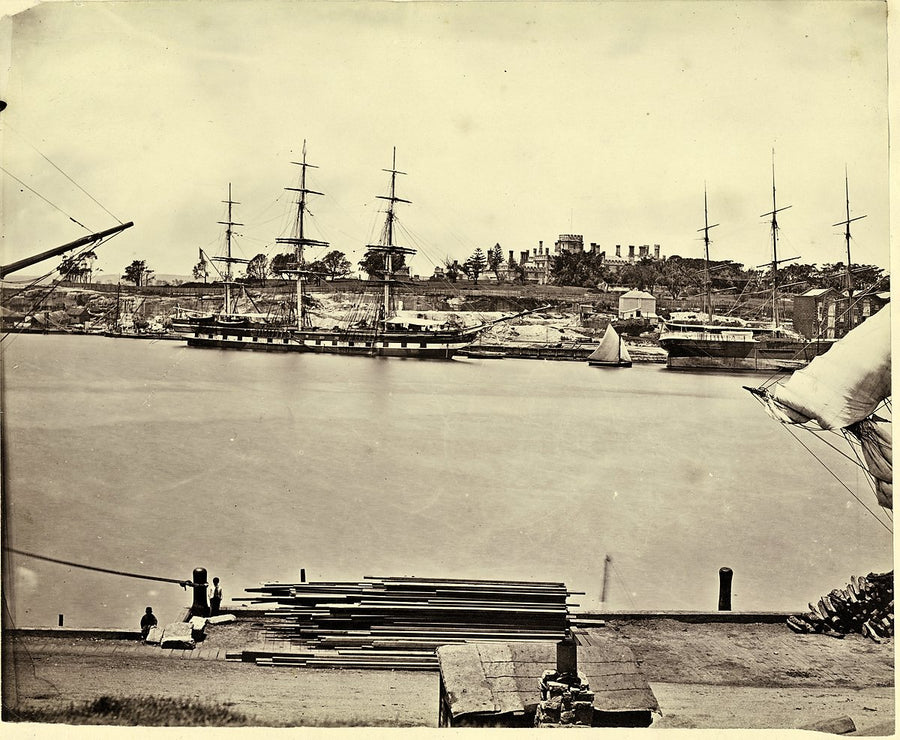
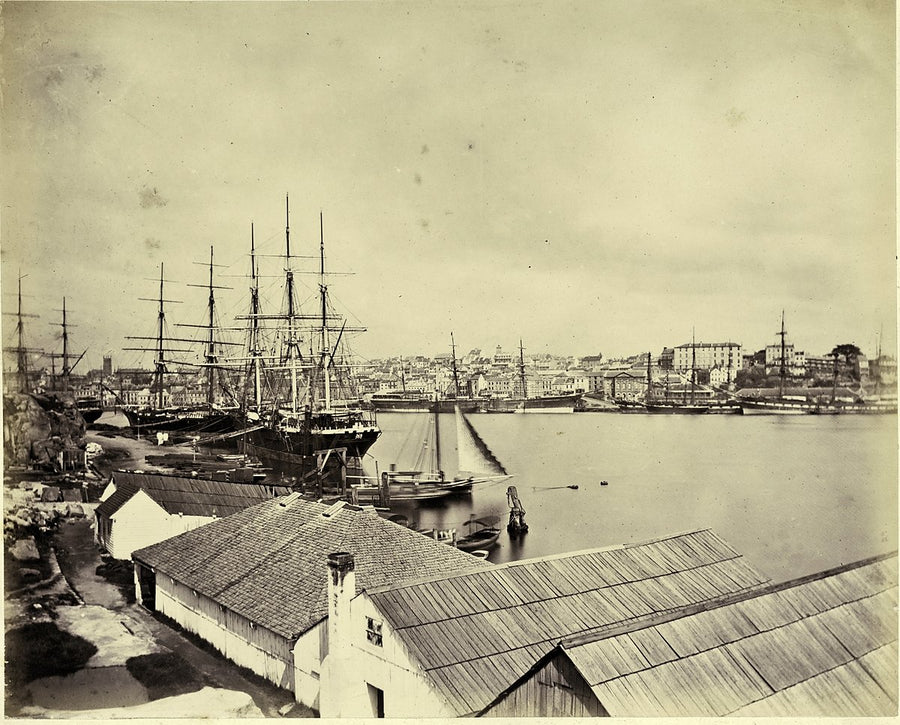
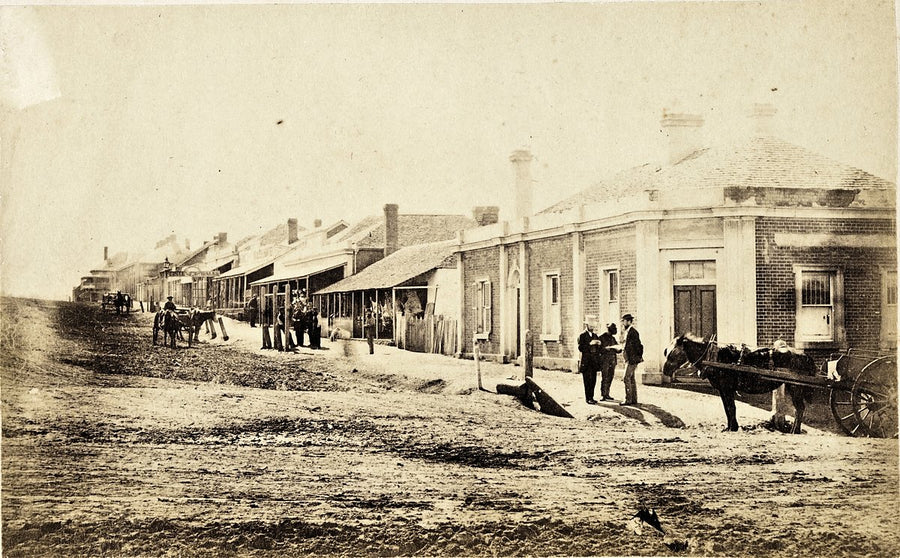
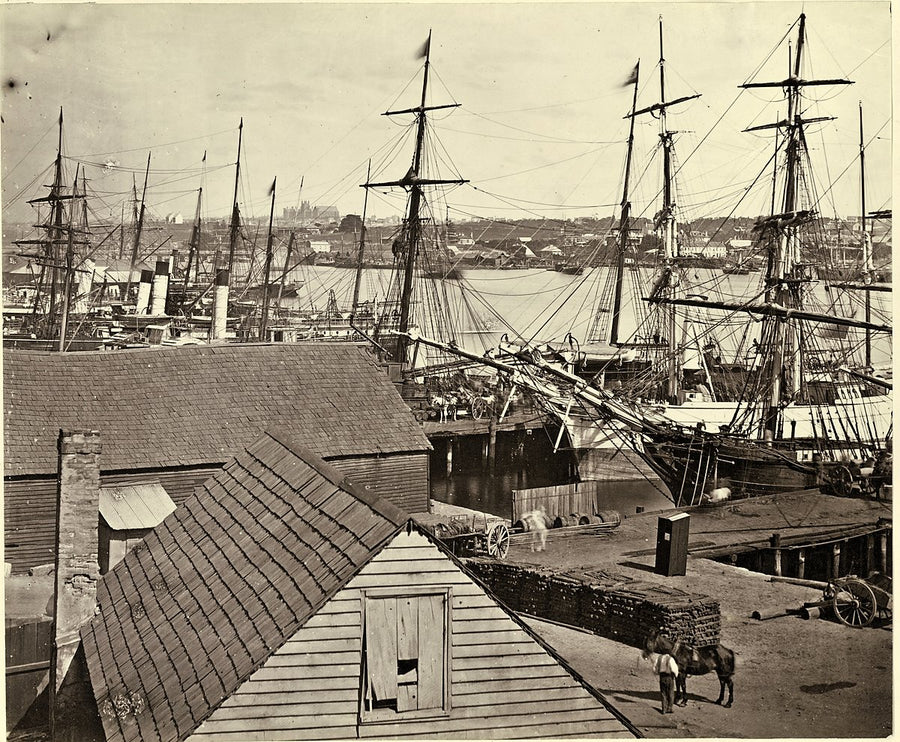
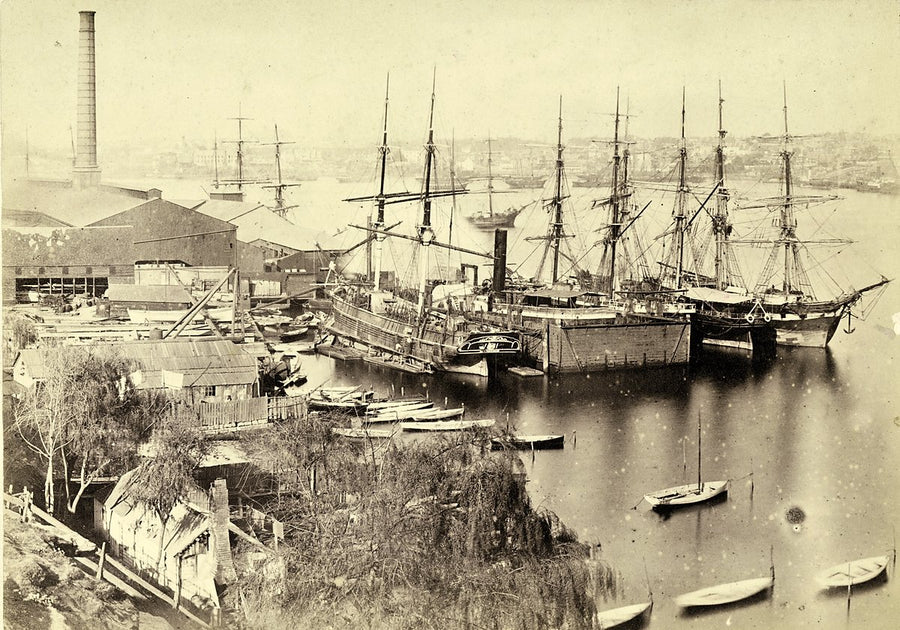
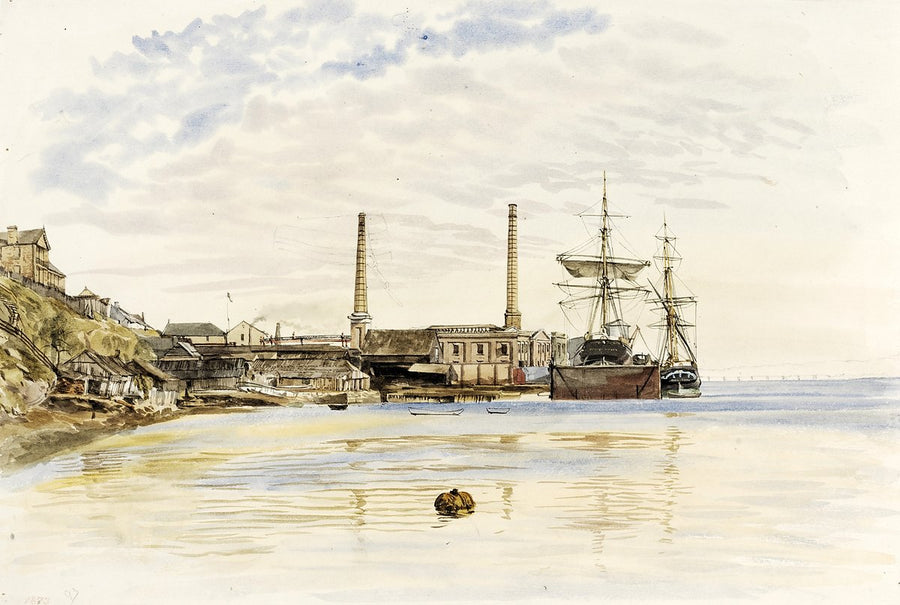
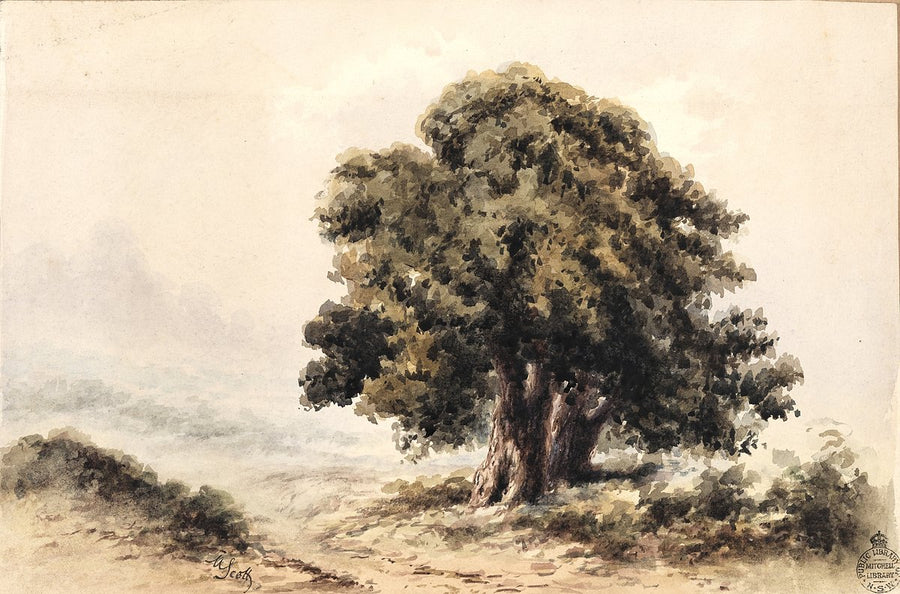
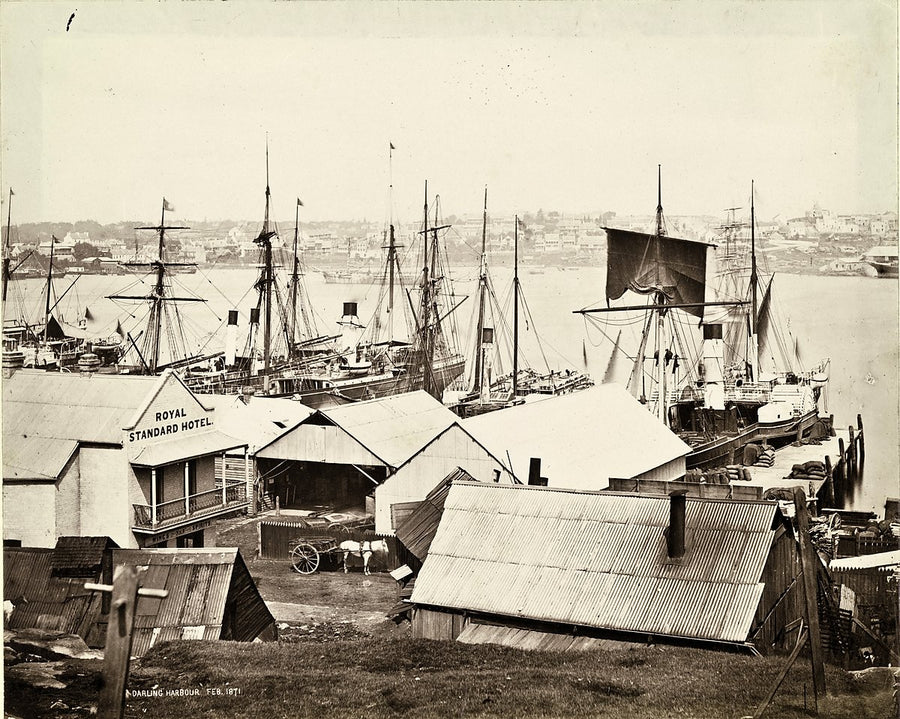
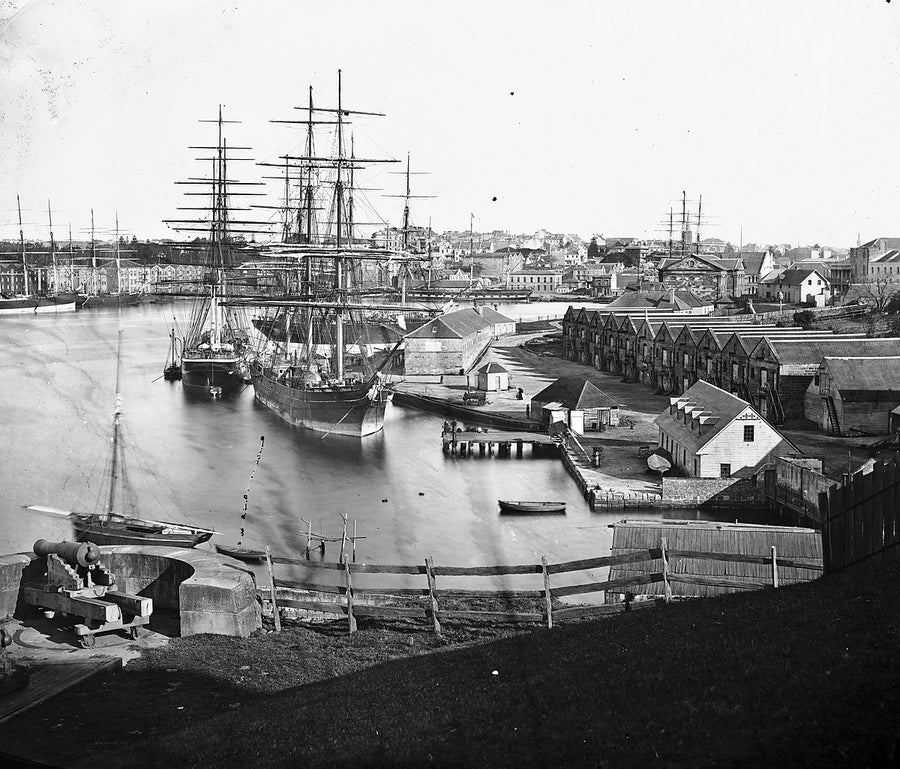
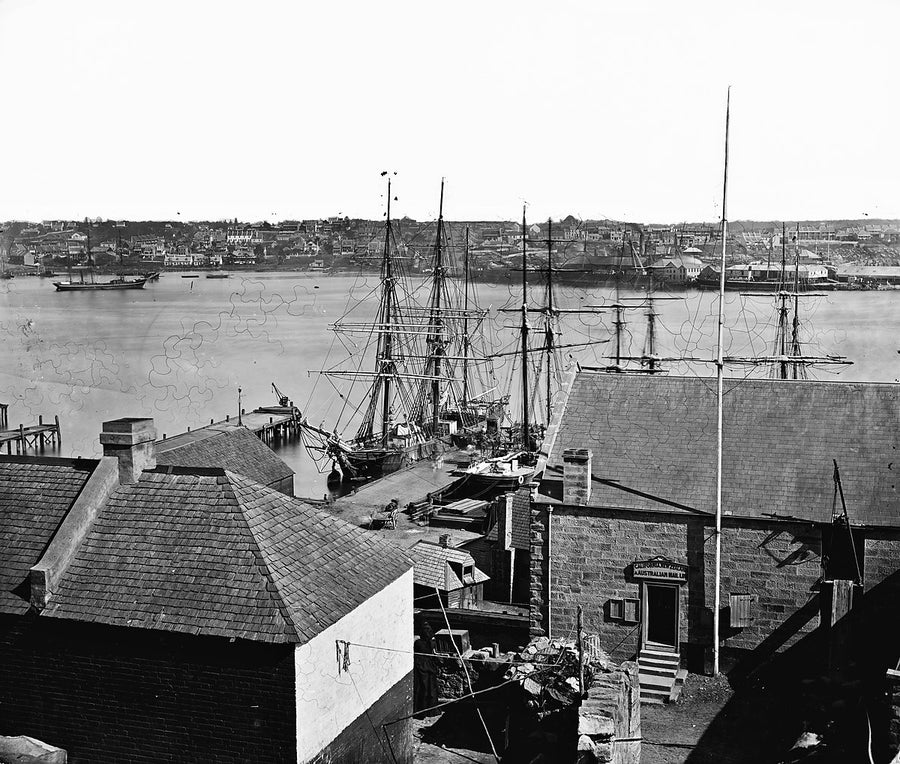
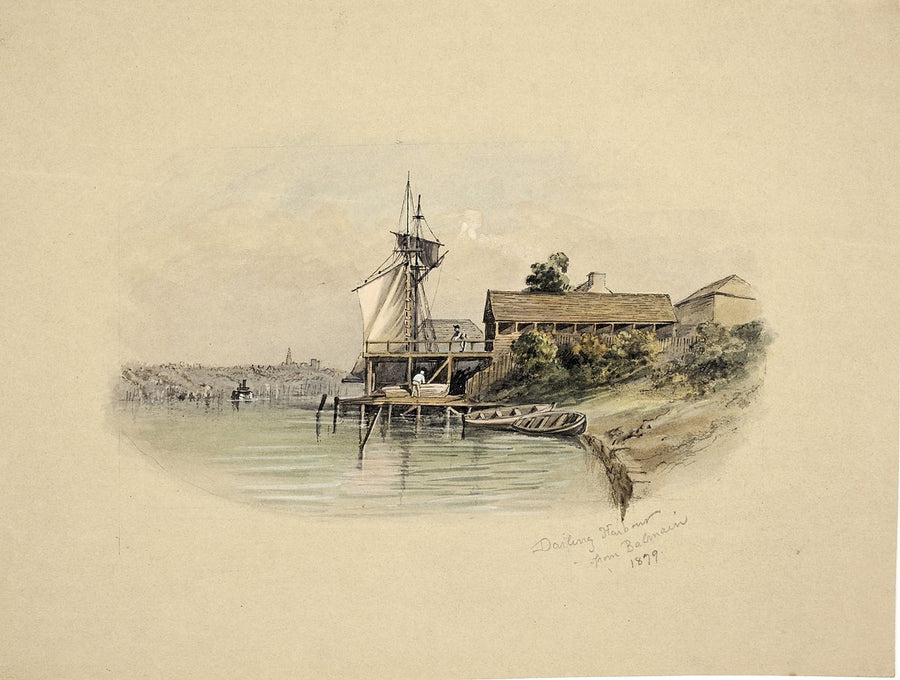
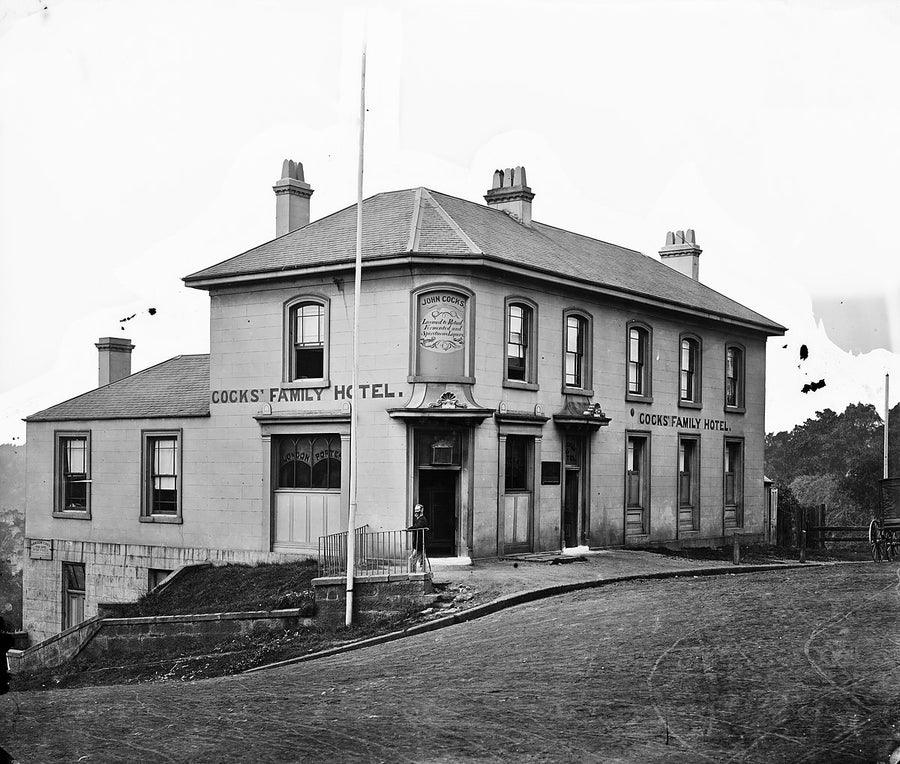
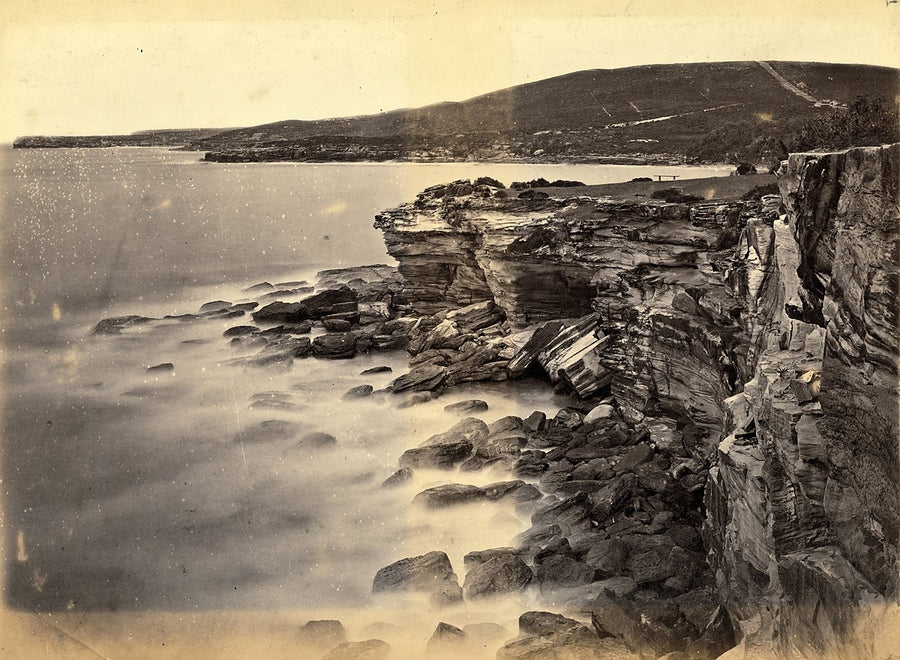
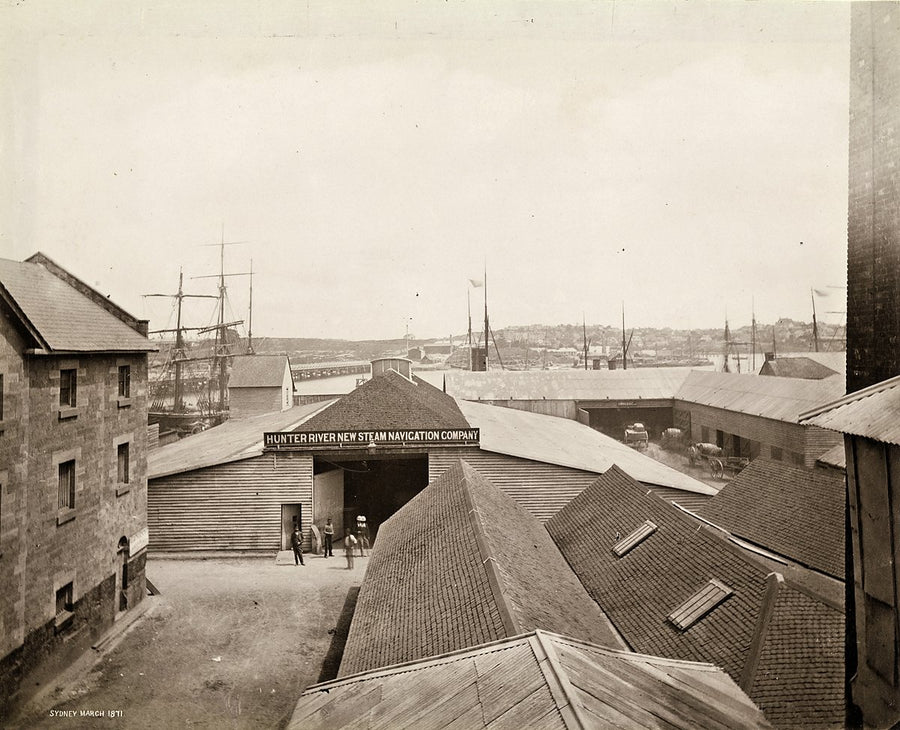
Walk out from the wool warehouses and the masts — Mort & Co on Sydney Cove, the timber sheds along the Sussex Street side of Darling Harbour — and the ground turns rural fast. A wooden post mill was still working on Henry Hough's Hope Farm beside the Old South Head Road at Waverley; it had turned since about 1841, was one of the last windmills in Sydney, and ground on to the end of the decade before being pulled down some time between 1878 and 1881 — though Samuel Elyard's own caption under his watercolour reads *removed since 1873*. Out at The Gap, John Cocks kept a two-storey corner hotel licensed for spirits and advertising London porter to whoever had come to look at the cliffs. The railway had reached Springwood on 11 July 1867, and the Springwood Hotel stands behind a paling fence on an unmade road with the bush at its shoulder.
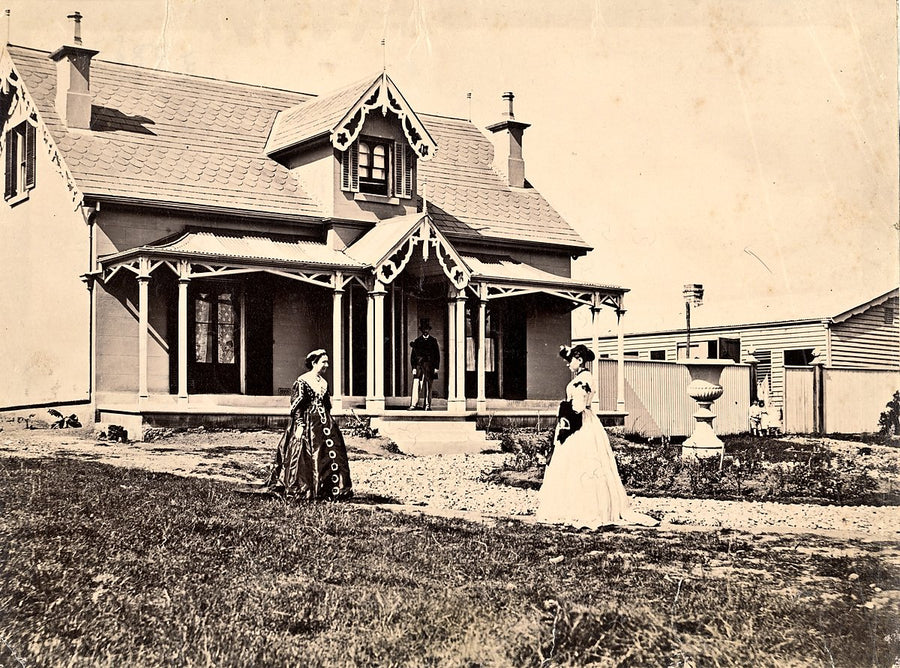
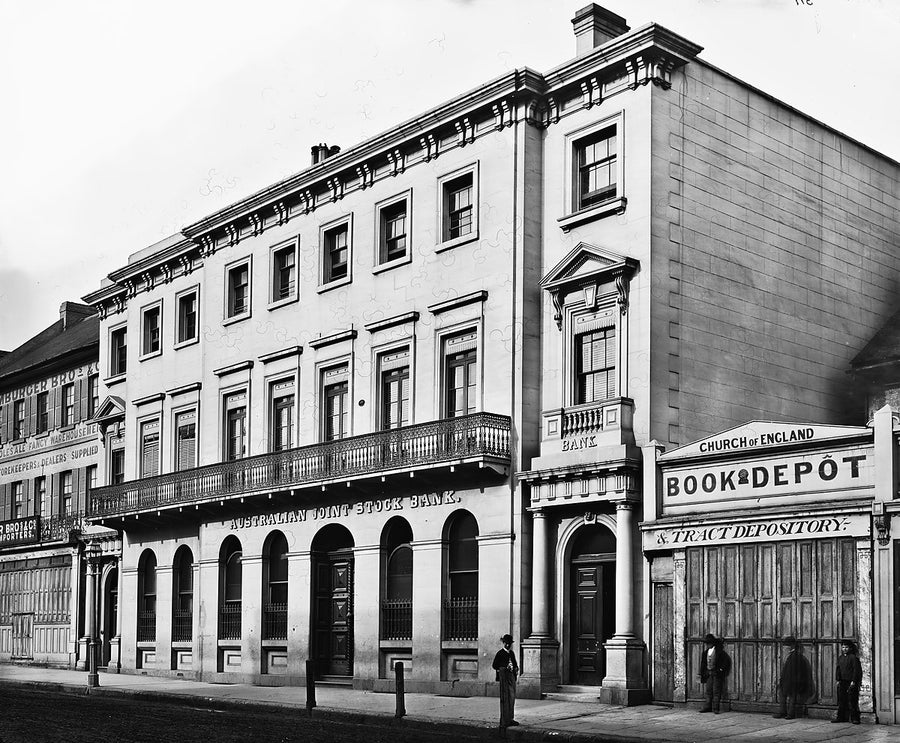
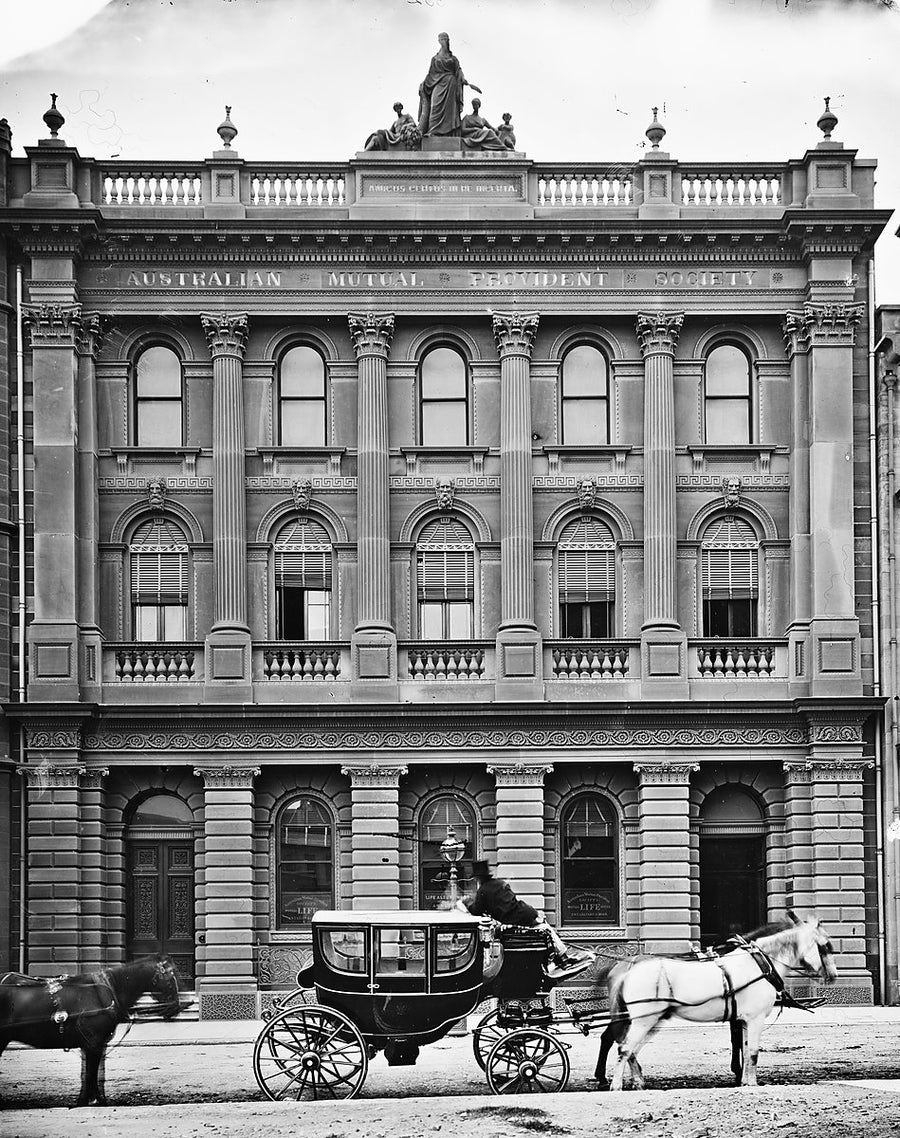
A good deal of this survives because of a business model rather than a public purpose. The American & Australasian Photographic Company came up from Victoria in September 1870 and worked the way Beaufoy Merlin had always worked: photograph the house, the shopfront, the hotel, then sell the print to the people standing in front of it. Merlin died of a lung inflammation on 27 September 1873, three years into the job, and his assistant Charles Bayliss — then twenty-three — carried the survey on alone through the years that followed. Between them they are why a publican's corner at South Head is recorded as carefully as Parliament House.
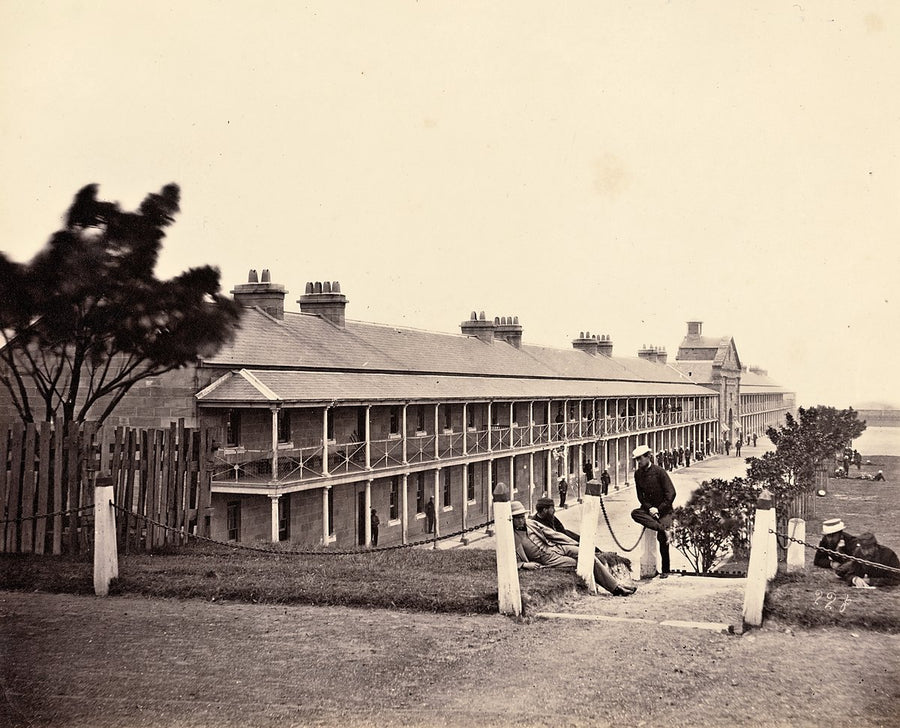
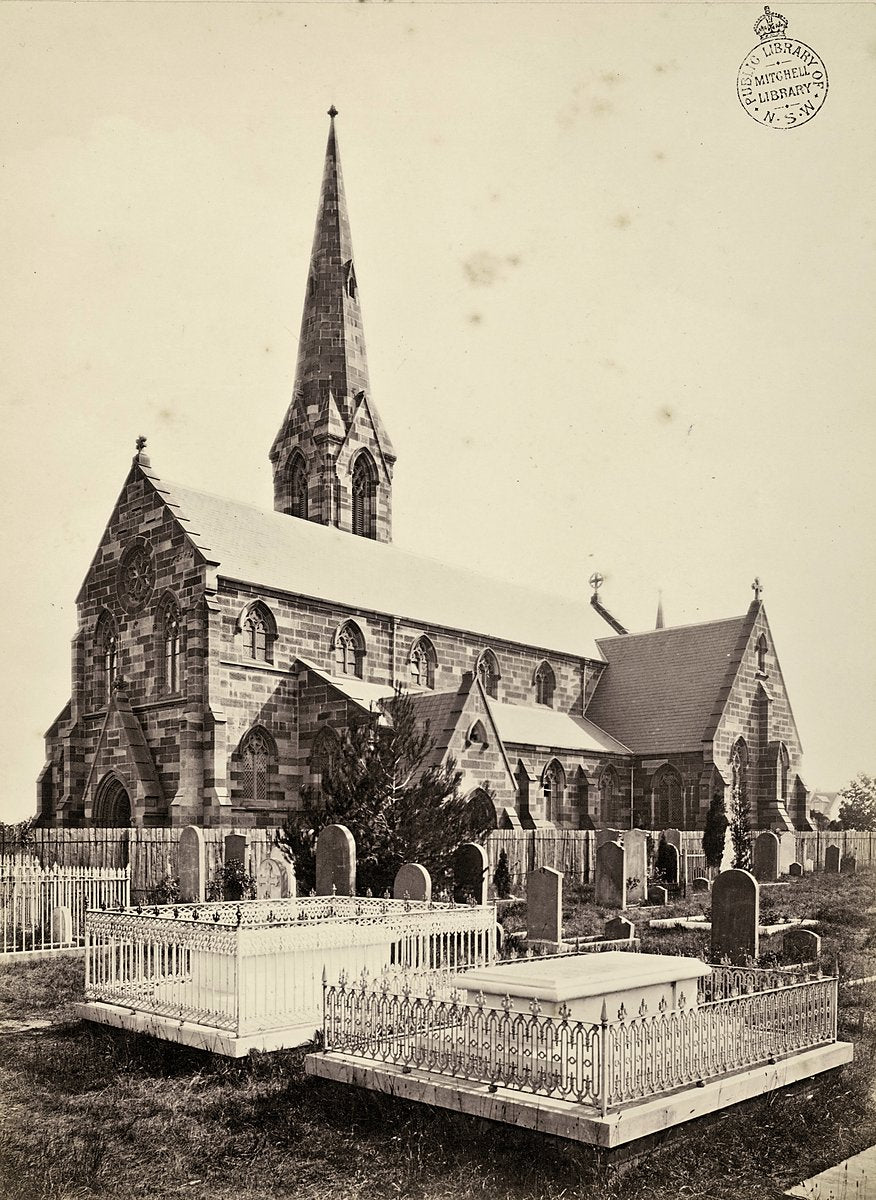
The institutions were being built at that same distance out. Edmund Blacket's St Stephen's went up inside Camperdown Cemetery at Newtown between 1871 and 1874, and the University's Gothic range at Camperdown was photographed across open grass with nothing behind it yet. Watch the fence lines. They are where Sydney stopped.