Sydney in the 1930s
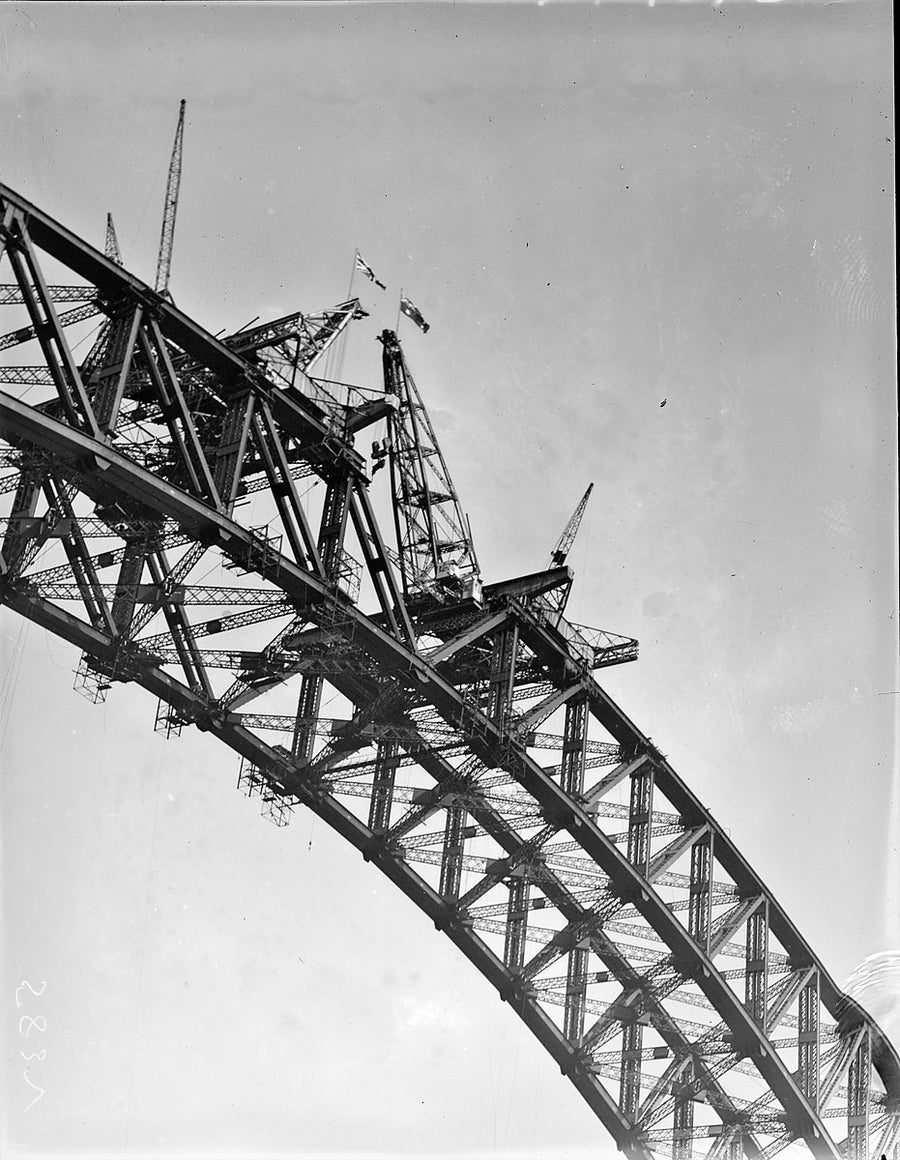
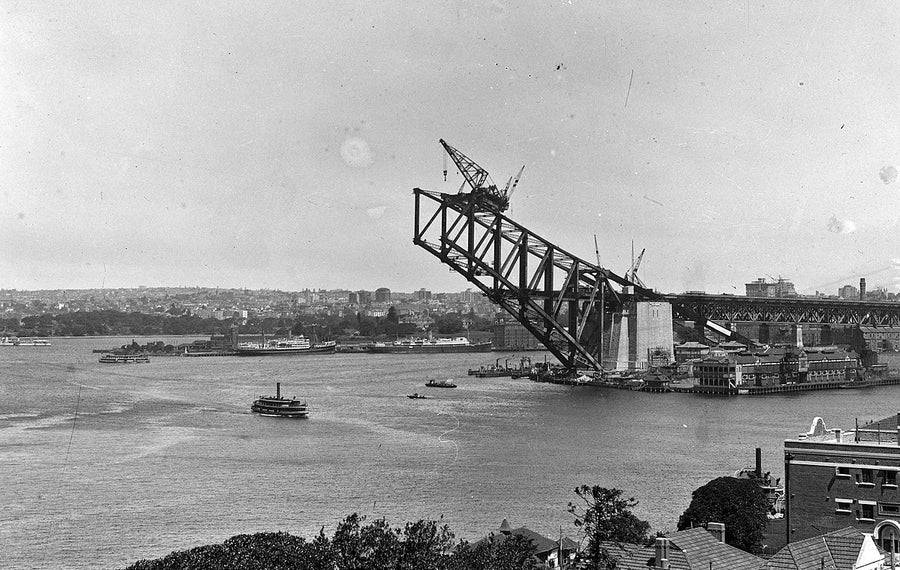
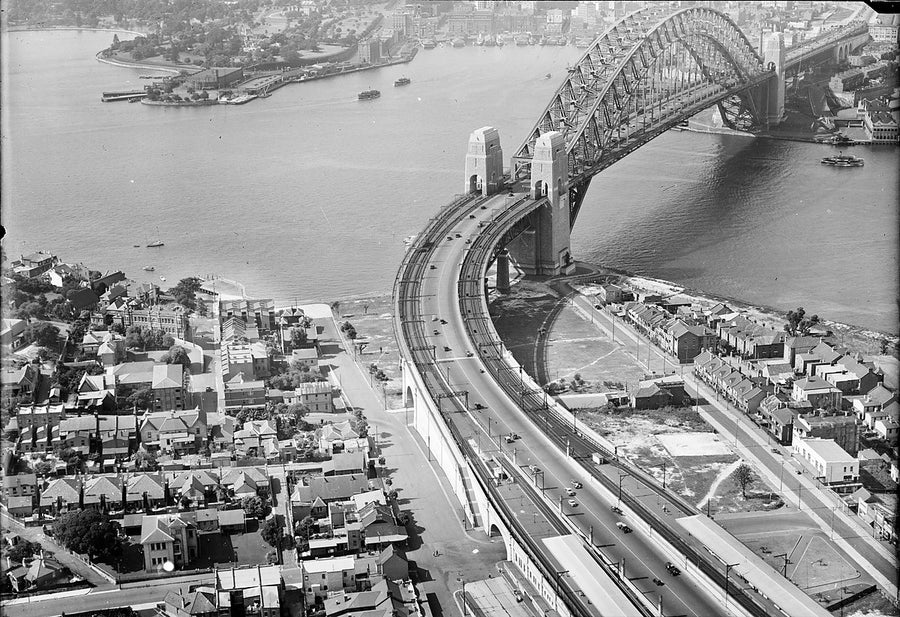
The Harbour Bridge opened on 19 March 1932, which was close to the worst year available for it. Something over 750,000 people came in to watch, and watched Francis de Groot ride forward and slash the ribbon with a cavalry sword before the Premier could reach it. Then the two thousand-odd men who had spent the best part of a decade building the thing went looking for work in a country where close to a third of the workforce had none. Some were still out of it when the next war finally gave them a trade. Some walked across to the old bridge workshops at Lavender Bay and built Luna Park on the site.
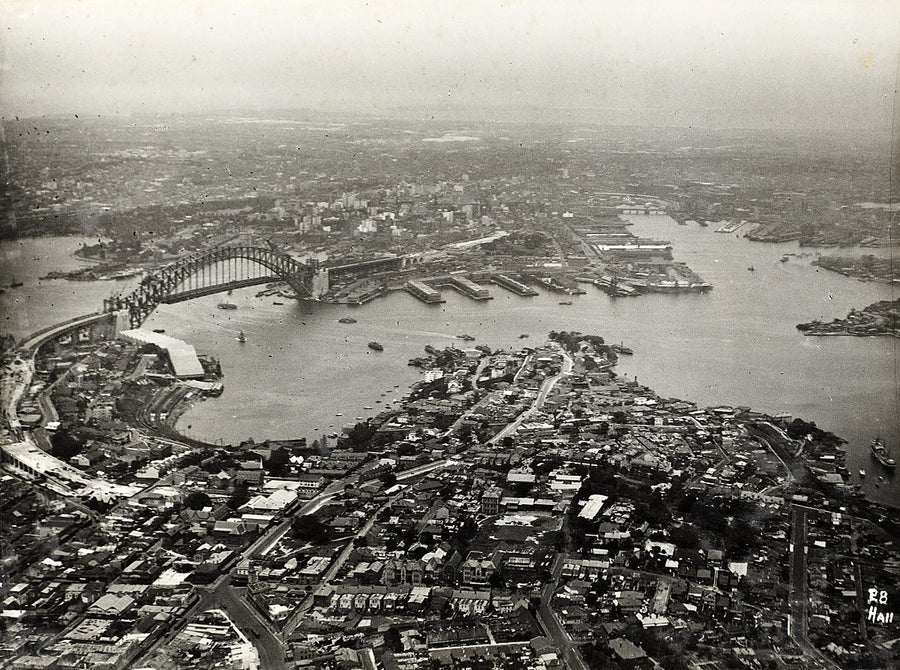
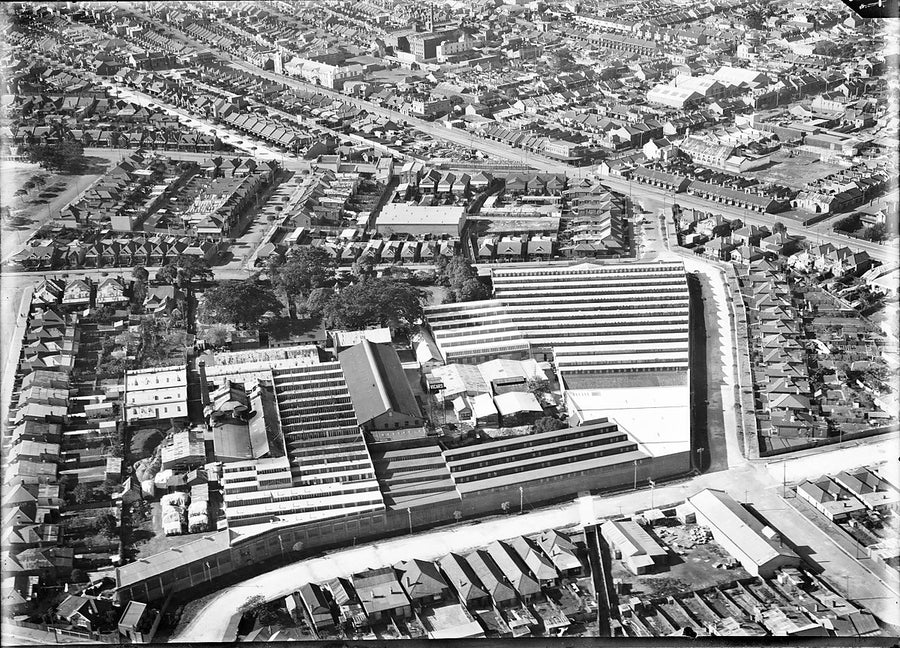
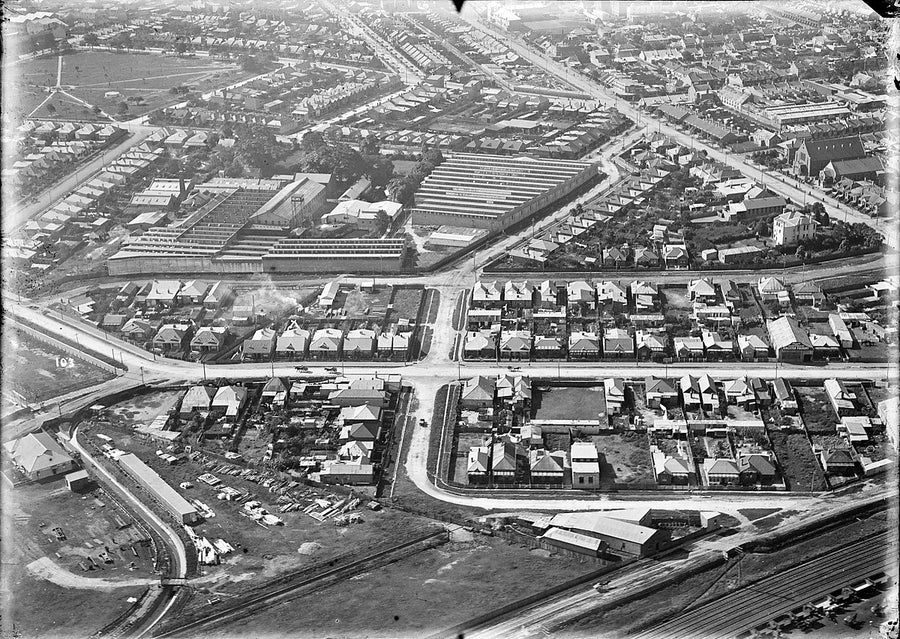
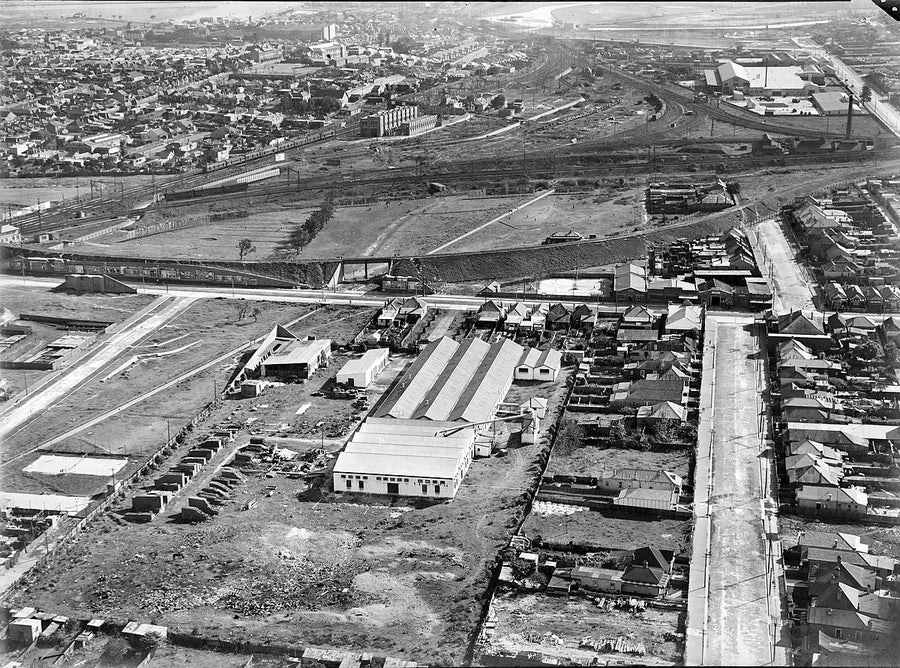
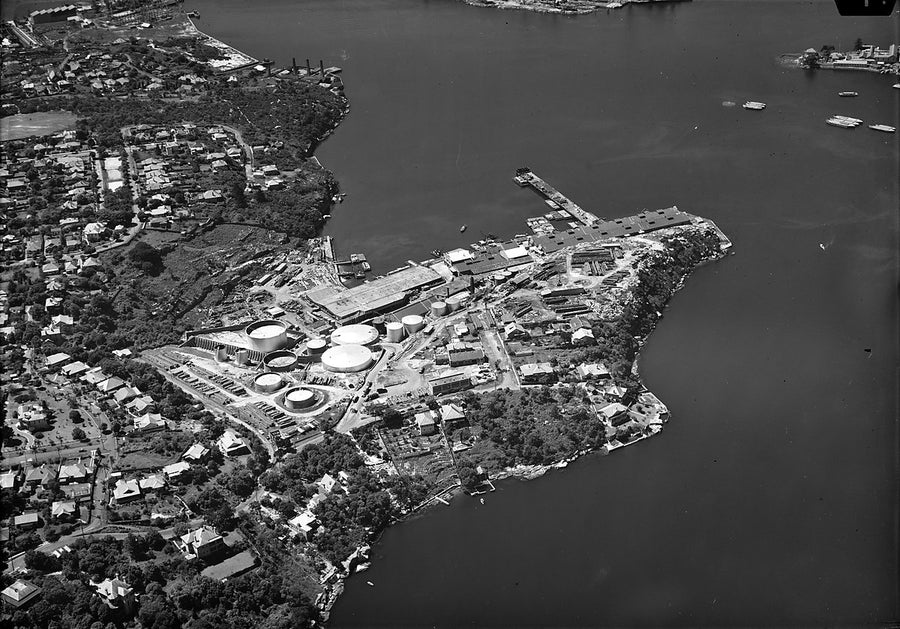
What Sydney did next is best seen from about a thousand feet up. Milton Kent had held a pilot's licence since 1926 and had imported a Zeiss half-plate oblique aero camera years before that, and through the thirties his studio sold factories their own portraits. The gasworks spread across the Mortlake peninsula; a paint works taking up the whole of Cabarita Point with a jetty running off it; a can works at Five Dock; timber booms and stacked concrete pipe along Rozelle Bay; the dockyards on Cockatoo Island. He dated and identified his plates, which is why so much of industrial Sydney can still be placed to the year rather than the decade.
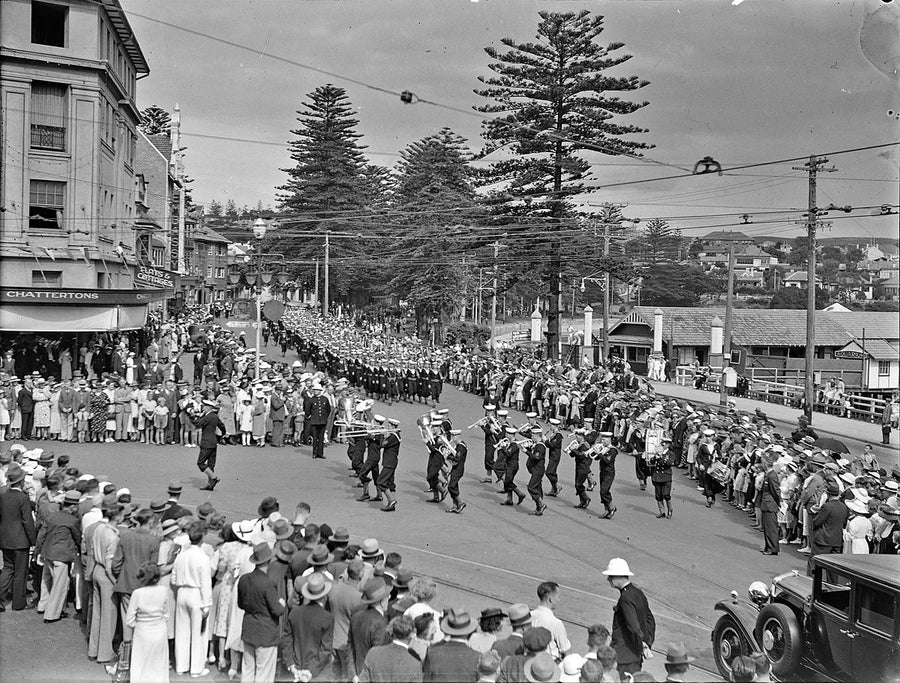
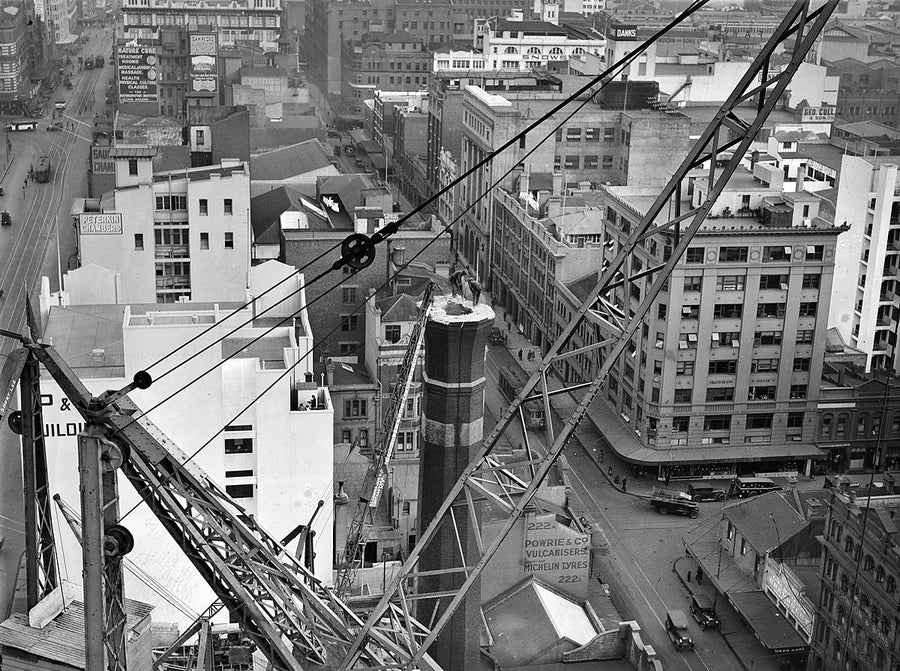
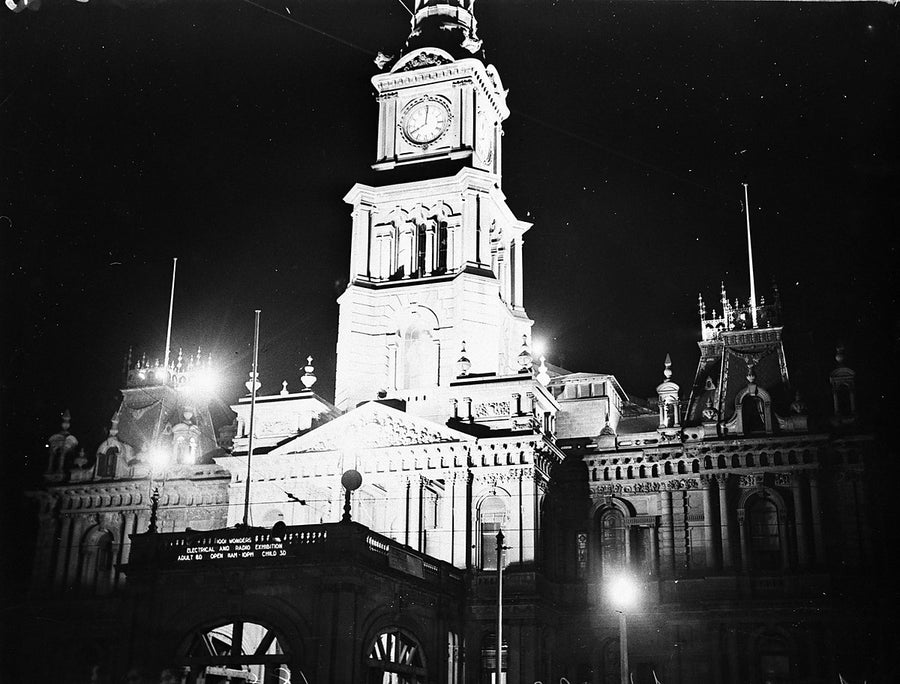
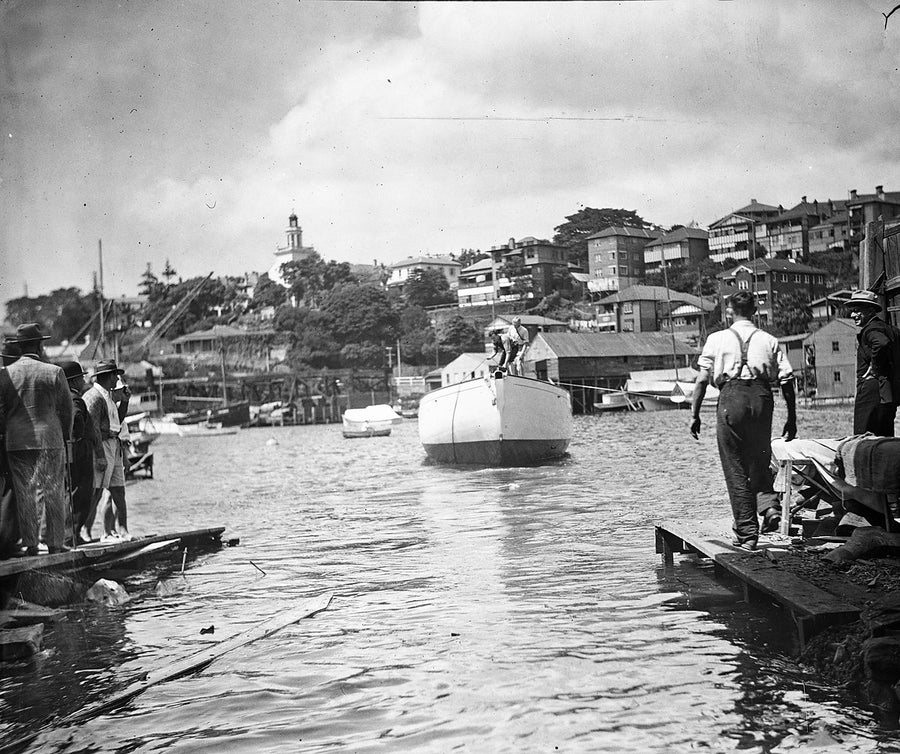
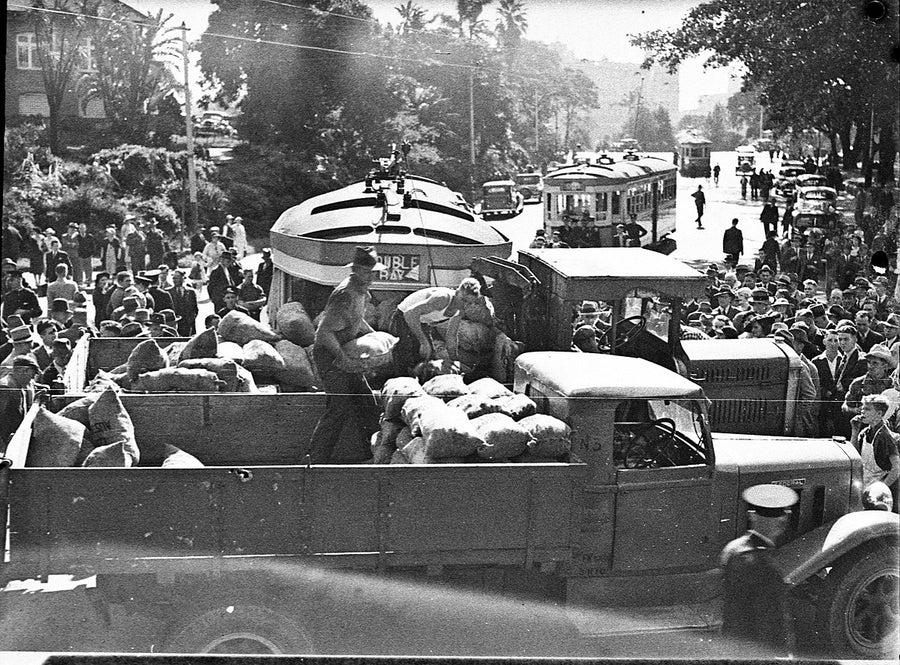
At ground level the decade is crowds and advertising. The Duke of Gloucester came through in 1934 and Pitt Street was dressed end to end with flags for him. Sky-signs stand along the roofline of Central Station selling Askey's Scotch Whisky and Vicars' Marrickville tweeds. An Aeroplane Jellies float rolls past Museum Station in 1938. There are baby shows on town hall steps, boats moored off Balmoral Beach, and nurses sitting on a camel at a hospital Christmas party.
Between the works from above and the crowds from the footpath, that is a reasonably complete account of what a city does when it has no money and a great deal of time.